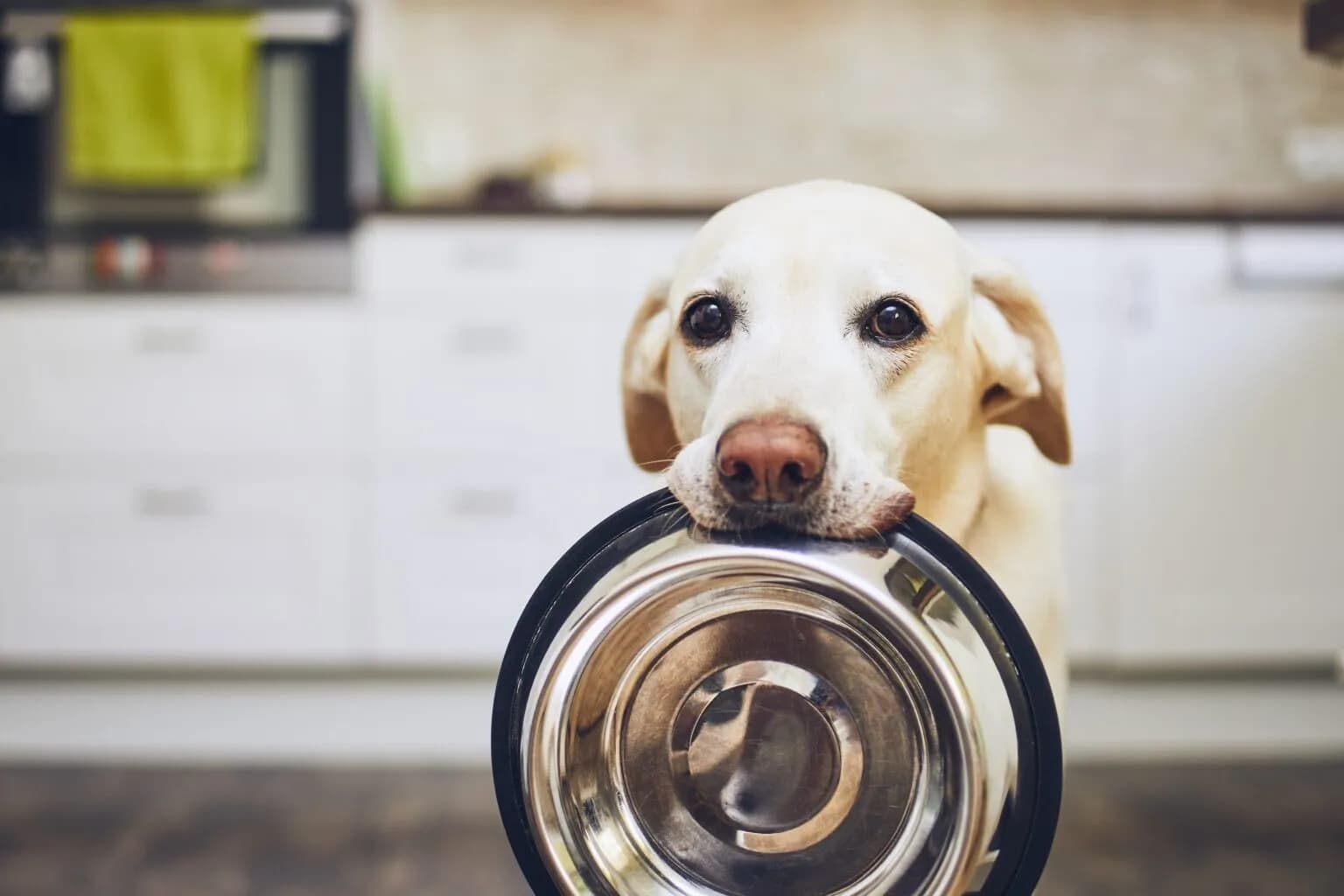
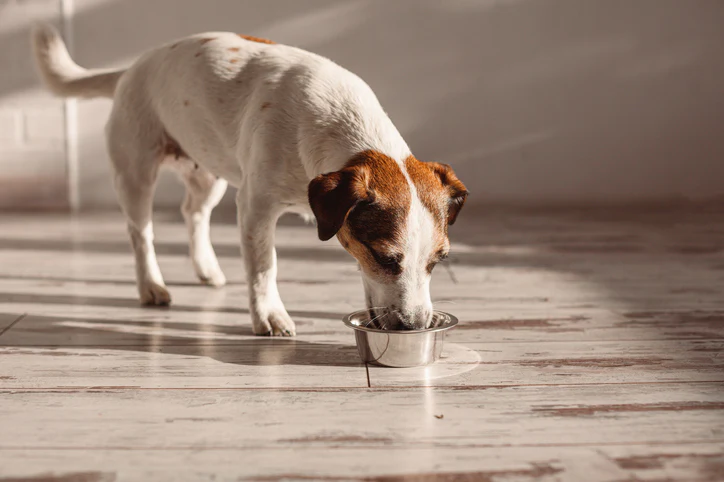
Taking care of your pet isn’t just about cuddles and walks; it’s also about making sure they eat well! Their diet is the foundation of their health and can make all the difference in preventing illness. A well-fed dog or cat, with a suitable and balanced diet, has more energy, a stronger immune system, and lives longer. But what exactly constitutes a truly healthy meal for your companion? It helps prevent disease in animals! Which ingredients are essential, and which should you absolutely avoid? Snob Dog Academy helps you understand the key role of nutrition in the health of pets. How can you, through their meals, give them a longer and happier life?
Good nutrition is key to preventing disease in animals
Feeding your dog or cat isn’t just about filling their bowl to satisfy their hunger. It’s about giving them the fuel they need to run, play, learn, and stay in top shape! The quality of their food has a direct impact on their daily health.
- a shiny coat,
- healthy skin,
- good digestion
- a strong immune system,
- his mood.
A balanced meal rich in protein, good fatty acids, vitamins, nd minerals, can truly protect your pet against many diseases! Conversely, a poor or unsuitable diet opens the door to obesity, diabetes, heart or kidney disease, which can reduce life expectancy.
Every animal has specific nutritional needs. These change depending on its age, breed, activity level, and health. That’s why providing a suitable and balanced diet is essential if you want to ensure your companion’s vitality and well-being.
The components of a balanced diet
To understand the role of nutrition in preventing disease in pets, you must first grasp the main components that should be included. Here are the essential elements to incorporate into your dog’s or cat’s diet:
1. Proteins: Proteins, found particularly in meat, are essential for building and repairing body tissues. They are also necessary for the production of antibodies, hormones, and enzymes. Protein sources can be animal-based (such as chicken, beef, and fish) or plant-based (such as lentils and peas).
2. Lipids: Lipids provide a concentrated source of energy and aid in the absorption of fat-soluble vitamins. They also contribute to healthy skin and coat. Omega-3 and omega-6 fatty acids are particularly important.
3. Carbohydrates: Carbohydrates are another source of energy. They include sugars, starch, and fiber. Fiber is particularly important for gut health.
4. Vitamins and minerals: These micronutrients are necessary for a multitude of bodily functions, ranging from regulating metabolism to maintaining healthy bones and teeth.
5. Water: Water is the most essential component of your pet’s diet! It is crucial for digestion, blood circulation, and waste elimination.
Keep in mind that every animal is unique! Their needs can vary depending on factors such as age, breed, activity level, health status, and many others. Ultimately, the goal is to provide a diet that is not only balanced but also tailored to your pet.
Diseases related to a poor diet in your pet
Giving your pet the wrong food can really damage their health! Yes, what they eat every day has a direct impact on their body, their energy, and even their lifespan.
Obesity, a silent but very common danger!
Obesity is one of the most widespread health problems in dogs and cats today… and it’s almost always linked to a poor diet! Too many treats, overly large portions, and ble scraps, and your pet ends up gaining weight without you even realizing it. The problem is that this excess weight quickly leads to complications such as:
- diabetes,
- joint pain,
- heart disease.
Yes, it’s all because of extra weight! The good news is that obesity is preventable with a balanced diet tailored to your pet’s age, weight, and activity level. Believe me, your pet will gain energy and health if you watch what they eat!
Oral diseases are much more serious than simple tartar!
Think slightly yellow teeth or bad breath aren’t so bad? Think again! A diet too high in sugar or poor-quality kibble promotes plaque and tartar buildup. The result: inflammation, pain, and oral infections that can make your pet very unhappy. In advanced cases, these problems can even spread and affect other organs, like the heart! To avoid this, a suitable diet (and sometimes a few treats specially designed to clean teeth) makes all the difference. A healthy smile starts with what’s in their food bowl!
Read also: Brushing your pet’s teeth is not mission impossible!
Digestive problems: when the food bowl becomes a headache!
Diarrhea, constipation, vomiting… sound familiar? These digestive issues are very often linked to an unsuitable diet. Kibble that’s too fatty, a sudden change in food, or inappropriate food (like your leftovers) is enough to upset your pet’s delicate stomach. And a dog or cat with an upset stomach is no fun for anyone! To protect their digestive system, you need to choose a high-quality food, adapted to their species, and introduce any changes gradually. Your companion will thank you with regular bowel movements and plenty of energy!
Disease prevention in animals and food allergies
Like us, our pets can develop allergies to certain foods. The result: incessant itching, redness, skin problems, digestive issues… and a lot of discomfort! Most often, these allergies are linked to certain proteins (chicken, beef, dairy products) or to ingredients that are unsuitable for carnivores. Identifying the culprit food can require a little patience and sometimes the help of a veterinarian. But once the right diet is found, the difference is enormous! So if your dog or cat is constantly scratching or seems to have digestive problems, think about their diet first. A bowl of allergen-free food is the beginning of real relief!
Beware of nutritional deficiencies!
An unbalanced diet doesn’t always provide all the essential nutrients your pet needs. And deficiencies can have very noticeable effects:
- dull coat,
- dry skin
- fatigue,
- weakened immunity,
- In severe cases, growth retardation occurs in young animals.
Many people think they’re doing the right thing by giving their pets improvised “homemade” food. However, without professional advice, the risks of nutritional imbalances are enormous!
Choosing the right food to prevent disease in animals
The food you give your dog or cat is their daily medicine! But with dozens of bags and cans of kibble on the shelves, it’s hard to know where to start. So how can you be sure you’re making the right choice?
Understanding your pet’s nutritional needs
Every animal is unique! Age, breed, weight, activity level, and health are all factors that influence its needs. A growing puppy won’t have the same ratio as a senior dog. Similarly, an active outdoor cat will require more energy than an indoor cat. Remember that cats are obligate carnivores; they need a diet rich in animal protein to stay healthy. To avoid mistakes, a consultation with your veterinarian or an animal nutritionist is highly recommended. They can help you determine the ideal ratioratioyour companion to ensure its well-being.
Good to know: even if they’re more expensive, pet food from a pet store or your vet is better than supermarket food. Ask the pros for advice!
Learn to read food labels
Your first instinct before buying kibble or wet food should be to check the label! The ingredients are listed in descending order of quantity: the earlier an ingredient appears, the more of it there is. Choose foods where high-quality animal proteins (chicken, beef, salmon, etc.) are at the top of the list. Be wary of foods where grains or animal by-products are the main ingredients: they are less digestible and less suited to your pet’s needs. Taking the time to read and understand the ingredients is already a huge step towards providing them with a healthy diet and avoiding falling into the trap of misleading marketing!
Focus on quality food
Not all pet food is created equal, far from it! Entry-level products often contain a lot of grains, additives, and by-products that offer little nutritional benefit. Say goodbye to disease prevention for your pet! Conversely, premium or veterinary-grade foods focus on carefully selected ingredients and a more balanced composition. Yes, they’re more expensive upfront… but they’re also an excellent investment in your pet’s health! Better nutrition means fewer health risks, and, therefore,e, lower veterinary bills in the long run. In short,t: you might pay a little more at the vet, but you’ll gain in quality of life for your animal.
Avoid artificial additives in kibble
Many commercial pet foods are full of artificial colors, flavors, and preservatives. These additives serve no purpose for your pet’s health; they simply make the kibble look prettier or more appealing to you. Some can even cause intolerances, allergies, or digestive issues. To make the best choice, opt for products with as few additives as possible and choose brands that are transparent about the quality of their ingredients. Your companion doesn’t need their kibble to be red or green… what they need is nutritious and easy to digest!
Make the dietary changes smoothly
Changing your pet’s food isn’t something you can do overnight! Suddenly switching from one brand or type of kibble to another can cause diarrhea, vomiting, and digestive discomfort. To avoid these problems, you need to introduce the new food gradually, over 7 to 10 days. Start by mixing a small portion of the new food with the old, then gradually increase the amount each day. This gentle transition allows your pet’s stomach to adjust slowly and without stress. And believe me, you’ll save time and make things easier by following this step!
Consider mixed feeding for more variety
Why choose between kibble and wet food when you can combine the two? A mixed diet offers variety to your pet: kibble ensures good chewing and helps maintain dental health, while wet food provides water and a different texture. The result: your dog or cat enjoys a tastier, more complete, and more hydrating meal. It’s also a good way to prevent certain urinary problems, especially in cats. Of course, you need to maintain a balanced calorie intake to avoid weight gain. But a varied diet is often a more appreciated meal… and a happier pet!
Water-the forgotten but vital ingredient for your pet
We often talk about kibble, wet food, nutrients… but without water, it’s all useless! Your dog or cat is 60–70% water, and sufficient hydration is essential to maintain all their bodily functions. Water:
- regulates its temperature,
- aids digestion
- aids nutrient absorption,
- lubricates the joints,
- plays a role in memory and concentration!
A lack of water can cause rapid dehydration, which is life-threatening for your dog or cat. Dry gums, sunken eyes, and loss of skin elasticity are all signs that should alert you immediately. Proper hydration also helps prevent serious illnesses, such as urinary stones or kidney failure, which are very common in cats.
Always make sure your cat has access to clean, fresh water, especially in summer (and even at night!). This is even more important after physical activity or if your pet is sick or elderly. And if your cat is turning its nose up at its food bowl, try a water fountain or adding wet food to its diet: this is often the key to encouraging it to drink more!
Preventing diseases in animals through diet
Your pet’s food isn’t just fuel. In some cases, it’s also a powerful therapeutic tool. Many specific diets can help prevent or slow the progression of common diseases in dogs and cats.
Take kidney disease, for example, which is very common in older animals. It can be slowed down with a diet low in protein and phosphorus, but enriched with omega-3 fatty acids to protect the kidneys. For heart disease, some kibble restricts sodium and provide potassium, which is essential for supporting heart function.
Diabetes, on the other hand, can be better controlled with diets rich in fiber and low in fat (or carbohydrates for cats). Digestive problems such as colitis or gastritis often improve with highly digestible food enriched with probiotics. As for food allergies, they sometimes require a hypoallergenic diet or novel proteins (such as duck or salmon).
Good to know: these therapeutic foods should never be chosen randomly. A veterinarian or nutritionist must always approve the diet. But when used correctly, they truly transform your pet’s life and improve their quality of life!
In short, feeding is already a form of care!
As you’ve probably gathered, what you put in your dog’s or cat’s food bowl directly influences their health and well-being. Without a doubt, preventing disease in animals starts with a balanced, appropriate, and high-quality diet. Of course, every animal is unique: age, breed, lifestyle, and health status must always be taken into account. The best course of action is to consult your veterinarian to adjust their diet. You might also want to explore animal naturopathy. Your pet will thank you with years of happiness, health, and vitality!