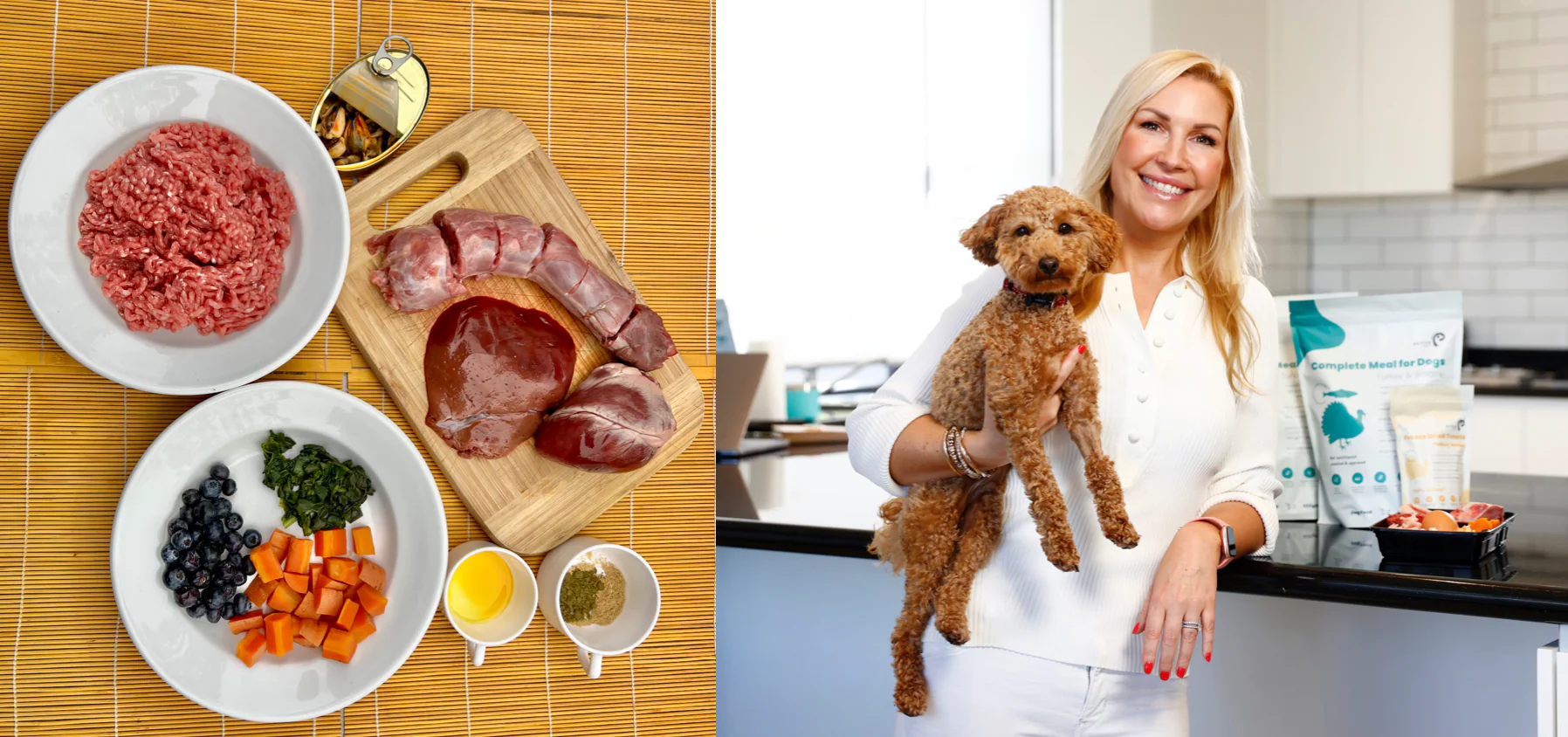

When it comes to feeding your four-legged friend, it’s essential to choose foods that promote their health and well-being. Foods to prioritize include high-quality proteins, such as chicken, beef, or fish, which provide the amino acids necessary for growth and tissue repair. Fresh vegetables, such as carrots and green beans, provide essential vitamins and fiber. Whole grains, like brown rice and oats, are also beneficial for energy and digestion. Conversely, some foods should be avoided to prevent health problems. Chocolate, grapes, onions, and garlic are toxic to many animals. Foods high in fat and salt, such as table scraps or processed foods, can lead to obesity and other complications. By making wise food choices for your pet, you contribute to their longevity and quality of life.
Healthy Foods for Your Pet-What to Focus On
When it comes to caring for our four-legged companions, nutrition plays a crucial role in their health and overall well-being. As pet owners, we all want the best for our furry friends, and that starts with providing them with a balanced and nutritious diet. But with so many options available on the market, it can be difficult to know which foods to prioritize to ensure optimal health for our pets. Let’s explore together the healthy foods to include in their diet and why they are beneficial.
First, it’s essential to understand that animals’ nutritional needs vary depending on their species, age, size, and activity level. However, some basic principles apply to most pets. For example, high-quality protein is a fundamental component of their diet. Lean meats like chicken, turkey, and beef are excellent sources of protein that help maintain muscle mass and support the immune system. Additionally, fish, rich in omega-3 fatty acids, is not only a source of protein but also contributes to healthy skin and coat.
Speaking of fatty acids, omega-3 and omega-6 are essential for a balanced diet. They play a crucial role in reducing inflammation and supporting heart health. Fish oil, flaxseed oil, and hemp oil are excellent sources of these beneficial fatty acids. By incorporating these oils into your pet’s diet, you can help improve their overall health.
Vegetables are also an important component of a healthy diet for pets. Carrots, green beans, and zucchini are not only low in calories but also high in fiber, which aids digestion. In addition, these vegetables provide essential vitamins and minerals that support the immune system and promote good eye health. However, it is important to note that some vegetables, such as onions and garlic, can be toxic to animals and should be avoided.
When it comes to carbohydrates, it’s best to choose whole, unrefined options. Brown rice, oats, and sweet potatoes are excellent sources of complex carbohydrates that provide sustained energy. They are also rich in fiber, which helps maintain a healthy digestive system. However, it’s crucial to monitor the amount of carbohydrates in your pet’s diet, as excessive consumption can lead to weight gain.
Finally, let’s not forget the importance of hydration. Fresh, clean water should always be available for your pet, as it’s essential for almost all bodily functions. Additionally, certain wet foods can help with hydration, especially for animals that don’t drink enough water.
In conclusion, providing your pet with a healthy and balanced diet is one of the best ways to ensure a long and happy life. By prioritizing quality proteins, essential fatty acids, nutritious vegetables, and complex carbohydrates, you can contribute to your pet’s health and well-being. Remember to consult your veterinarian to tailor the diet to your pet’s specific needs, as every animal is unique and deserves individual attention.
Hidden Dangers-Foods You Should Absolutely Avoid for Your Pet
When it comes to caring for our four-legged companions, nutrition plays a crucial role. While we are often tempted to share our meals with them, it’s essential to remember that some foods can be dangerous, even fatal, for our pets. By exploring the hidden dangers in our kitchens, we can better protect our furry and feathered friends.
First, it’s important to understand that some foods we consume daily can have harmful effects on our pets’ health. For example, chocolate, while delicious to us, contains theobromine, a substance toxic to dogs and cats. Even a small amount can cause vomiting, diarrhea, and in severe cases, seizures or heart problems. Similarly, grapes and raisins, often considered healthy snacks for humans, can lead to acute kidney failure in dogs.
Continuing our exploration of foods to avoid, onions and garlic also deserve our attention. These commonly used cooking ingredients contain compounds that can damage our pets’ red blood cells, leading to anemia. Even in powder form, these foods retain their toxicity. Therefore, it’s crucial to check the labels of any processed foods we might be tempted to share with our companions.
Artificial sweeteners, particularly xylitol, pose another hidden danger. Found in many sugar-free products, such as chewing gum and candy, xylitol can cause a rapid release of insulin in dogs, leading to potentially fatal hypoglycemia. Symptoms include lethargy, loss of coordination, and, in severe cases, seizures. It is therefore essential to keep these products out of reach of our pets.
Furthermore, some fruits and vegetables, while beneficial to us, can be harmful to our pets. Avocados, for example, contain persin, a toxin that can cause digestive upset in dogs and birds. Similarly, unripe tomatoes and raw potatoes contain solanine, a toxic compound that can cause gastrointestinal and neurological problems.
When transitioning to dairy products, it’s important to note that many animals are lactose intolerant. While milk and cheese may seem harmless, they can cause digestive upset in some animals. Therefore, it’s best to avoid them or offer them in very small quantities.
Finally, it’s crucial to remember that alcohol and caffeine are strictly forbidden for our pets. Even small amounts can cause serious symptoms, such as vomiting, tremors, and respiratory problems. By keeping these substances out of reach, we can avoid potentially dangerous situations.
In conclusion, while we love sharing our lives with our pets, it’s essential to remain vigilant about the food we give them. By being aware of the hidden dangers in our kitchens, we can ensure a long and healthy life for our precious companions. Ultimately, their well-being depends on our ability to make informed and responsible choices.
Optimal Nutrition-How to Choose the Best Foods for Your Pet
When it comes to caring for our four-legged companions, nutrition plays a crucial role in their overall well-being. As pet owners, we all want the best for our furry friends, but navigating the vast world of pet food can be daunting. To begin with, it’s essential to understand that not all pet food is created equal. Some ingredients can be beneficial to your pet’s health, while others can cause long-term problems. So, how do you sort through the options and choose the best food for your companion?
First and foremost, it’s important to focus on high-quality protein. Dogs and cats are carnivores by nature, and their diet should reflect this. Animal proteins, such as chicken, beef, lamb, and fish, are excellent sources of essential nutrients. They provide the amino acids necessary for building and repairing body tissues. However, it’s crucial to check the source of these proteins. Opt for foods that clearly list meat as the first ingredient, rather than animal by-products or lower-quality plant-based proteins.
In addition, carbohydrates also play a role in your pet’s diet, but they must be chosen carefully. Whole grains like brown rice and oats can be beneficial, as they provide energy and fiber. However, it’s best to avoid foods containing unnecessary fillers like corn and wheat, which can be difficult for some animals to digest and don’t provide optimal nutritional value. Furthermore, vegetables like carrots, peas, and sweet potatoes can be excellent sources of vitamins and minerals.
Speaking of vitamins and minerals, it’s essential to ensure your pet receives a balanced diet. Foods fortified with vitamins A, D, and E, and minerals like calcium and phosphorus, are vital for bone health, vision, and a strong immune system. However, it’s equally important not to overload your pet’s diet with unnecessary supplements, as an excess of certain vitamins can be just as harmful as a deficiency.
When it comes to foods to avoid, it’s crucial to be wary of artificial ingredients. Dyes, flavors, and chemical preservatives can not only be unnecessary but also potentially harmful to your pet’s health. Furthermore, some human foods, such as chocolate, grapes, and onions, are toxic to animals and should be avoided at all costs.
Finally, it’s always wise to consult your veterinarian for personalized advice on your pet’s diet. Every animal is unique, and their nutritional needs can vary depending on their age, breed, activity level, and overall health. By keeping these considerations in mind and making informed choices, you can help ensure a long and healthy life for your loyal companion. Ultimately, good nutrition is one of the best gifts you can give your pet, and it starts with smart, informed food choices. To ensure your pet’s health and well-being, it’s essential to prioritize high-quality foods rich in essential nutrients. Opt for lean proteins like chicken, fish, or beef, as well as fresh vegetables such as carrots, green beans, and zucchini. Whole grains like brown rice and oats can also be beneficial. Conversely, it’s crucial to avoid foods high in saturated fat, salt, and sugar, as well as processed foods. Foods toxic to animals, such as chocolate, grapes, onions, and garlic, should be strictly avoided. In conclusion, a balanced diet tailored to your pet’s specific needs is key to promoting their health and longevity.