Cats are independent and generally easy-going animals. However, for optimal cohabitation, ensuring their comfort is paramount, as is attending to their needs. Here is a comprehensive article offering 10 tips to optimize your feline’s lifestyle.
The importance of taking care of your cat
When we talk about a cat’s lifestyle, we’re primarily referring to its comfort and well-being. Of course, its health is also important to avoid potentially exorbitant medical bills. Cats are generally easy-going animals with only basic, essential needs.
In addition to a balanced diet suited to its lifestyle and age, regular veterinary visits are essential. These are necessary at least once a year for a routine check-up and to renew their vaccinations. Cats also need regular grooming (especially long-haired cats) and a consistently clean litter box.
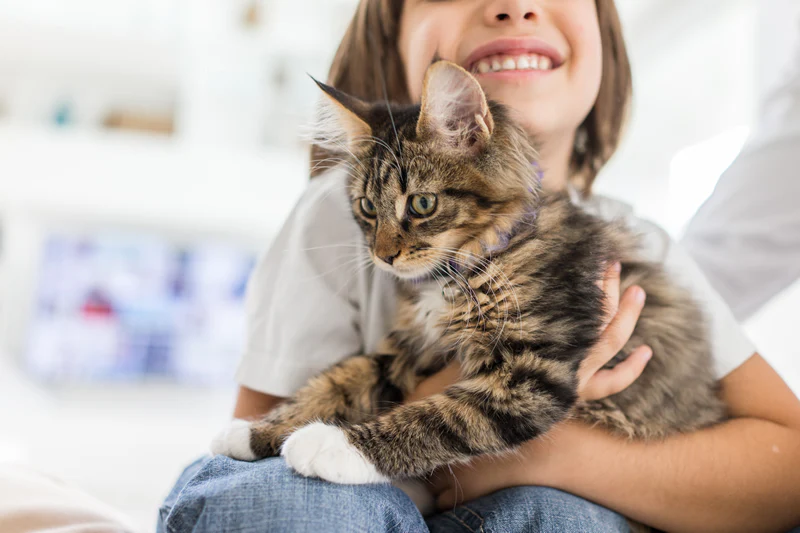
Although very independent, he also forms very strong bonds with his human. That’s why he’ll often come and snuggle up to you and ask for cuddles. Of course, every animal is different; some may be glued to you all day long, while others will only come to you when their food bowl is empty.
Adopting a cat-an act to be taken seriously
It seems essential to remember that a cat is a sentient being. If you are going to adopt one, keep in mind that its lifespan can be quite long (between 10 and 20 years, or even more!). Regardless of its temperament and sometimes “borderline” behavior, abandonment is not an option.
By nature, cats aren’t entirely wild animals; they enjoy human contact. Some, if they’ve been mistreated, may be reluctant or even completely resistant to humans. However, all is not lost. Even when adopting an adult cat that has been abused, you’ll need to prove that you only want what’s best for it. It will be a difficult task, but your efforts will eventually pay off: animals are always grateful.
If you’re welcoming a kitten into your home, things are sometimes simpler, but you’ll still need to establish some rules from the start. Here are a few tips to follow to improve your cat’s hygiene.
Tips to ensure your cat has a wonderful life (and you, too)
Physical activity, veterinary care, food, etc., here is a summary of 10 little things to do to take good care of your feline.
1 – Choose a good veterinarian
This is one of the most important things! A veterinarian who is available, friendly (and not too expensive!), will always be appreciated. Indeed, this professional is an essential contact person for discussing your pet’s problems, whether they are health or behavioral issues.
You need to trust him and be able to discuss all your concerns with him so he can advise you best. While let’s not kid ourselves, he won’t be your cat’s best friend, he can still anticipate certain illnesses with regular monitoring.
2 – Provide a comfortable haven for your cat
Cats love to hide in all sorts of nooks and crannies to find peace. You’ll often find your cat at the back of a cupboard, under a piece of furniture, or even under your duvet, for example. Create a personal space for them up high so they can retreat there.
Prepare a small space for him with blankets or cushions so that he feels comfortable taking his many daily naps.
3 – Beware of diseases
A cat that refuses to eat, stops going outside, or sleeps all day in an unusual place should raise a red flag. These are often early signs of a health problem. Perhaps it’s been in a fight and is suffering from an injury? Or perhaps it’s simply sick.
If in doubt, you can always perform a quick examination to check for an abscess or blood. If he meows when you pick him up or you notice he is completely lethargic, make an appointment with the veterinarian.
4 – Brush your cat regularly
Cats groom themselves. Thanks to their rough tongues, they can untangle their fur and remove dirt. However, especially when they have long, thick fur, they can swallow dead hair and some undercoat. This usually leads to vomiting and can even cause digestive problems and other complications.
To easily solve this problem, you can brush your cat at least once a week for short-haired cats and every two days for long-haired cats. This will remove excess dead hair and also prevent your sofas and trousers from getting covered in fur!
5 – Healthcare
Cats don’t need special cleaning of their eyes and nose. They groom themselves several times a day to remove dirt. Only brachycephalic cats (those with flat faces) require regular care with a suitable product in the folds around their eyes and nose to prevent infections.
Similarly, you shouldn’t brush a cat’s teeth, except for cats with dental problems. As for their ears, simply check for any buildup or hair loss, which could indicate ear mites. If you see your feline scratching its ears or repeatedly shaking its head, something is definitely bothering it.
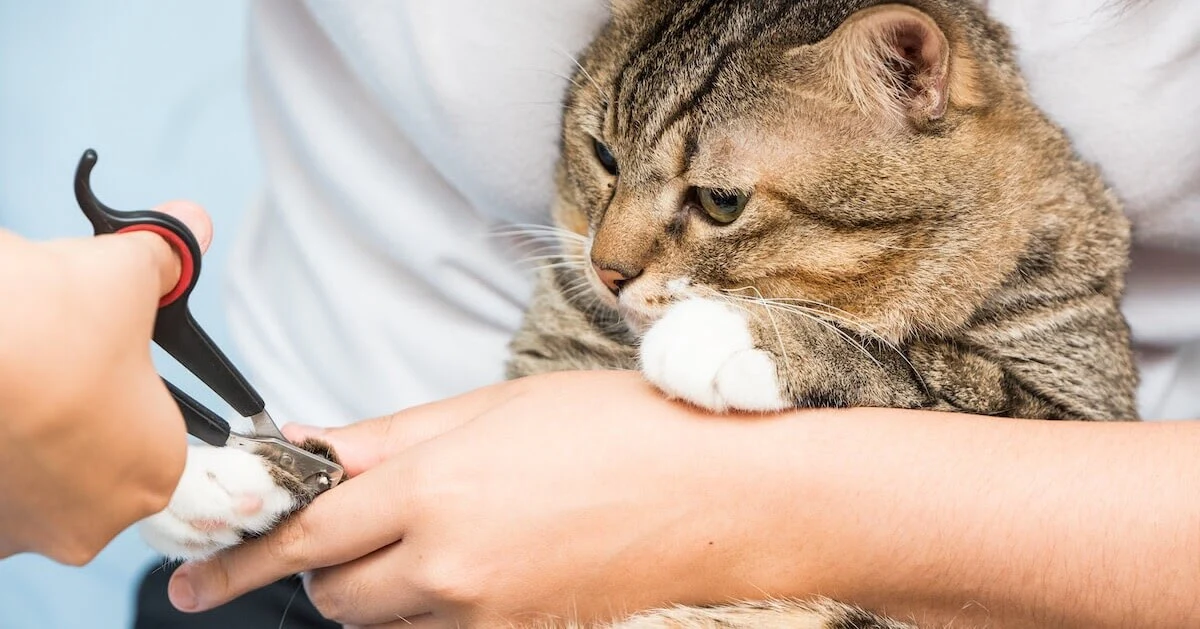
Finally, let’s talk about your cat’s claws. Cats tend to sharpen them on any vertical or horizontal surface they can reach. If your pet goes outside, they’ll likely use tree trunks or planks. However, if they stay indoors, you’ll need to provide a scratching post or trim their claws, but be careful not to cut them too short! It’s also advisable to regularly check their paw pads and between their toes for thorns or splinters that might be embedded under the skin.
6 – Give him a balanced diet
A cat’s diet must be tailored to its age, lifestyle, and any health conditions it may have. But that’s not all; you also need to consider its preferences: some cats prefer dry food, while others prefer wet food.
If your cat has a specific illness, it may require a special diet. The same applies if it has been neutered. These so-called “prescription” foods can be given temporarily or for life. Furthermore, some cat breeds have specific dietary requirements. Don’t hesitate to ask your veterinarian.
Cats are big eaters and love to nibble at all hours of the day. Leave dry food available for them. Most cats know how to control their appetite. Also, make sure they always have fresh water, especially if they eat dry food.
7 – A litter box that’s always clean
Cats are clean animals that use a litter box and sometimes go outside. The litter box should be cleaned at least once a day, both to prevent odors and the proliferation of bacteria, and to avoid unpleasant surprises! You can choose a litter made of sand, small pebbles, or wood shavings. Be aware that cats are quite particular and don’t like changes. So if your cat is used to sand litter and you suddenly buy wood shavings, it might well show its disapproval by going outside the litter box!
Furthermore, if your cat is defecating on beds, carpets, or anywhere other than its litter box, this should raise a red flag. It means something is bothering it or that it may be suffering from an underlying illness (urinary tract infection, cystitis, diarrhea, kidney stones, etc.).
8 – Toys available
Cats need sleep, of course, but they also need exercise. Their favorite activity is hunting. However, many cats don’t go outside (or rarely) and therefore can’t indulge in this pastime. It’s therefore necessary to help them get the exercise they need. And what better way than to play with them?!
If you can’t play with your cat, you can certainly choose some small toys for it to use up during its waking hours. A ball, a small mouse, special catnip-infused plush toys, etc., are all things you can buy for your pet to help it expend energy.
For indoor cats, well-being is closely linked to play. Being confined can already be frustrating for them. But if, on top of that, they can’t play and hone their hunting skills, your cat could become depressed. Play is essential for their emotional and physical balance.
9 – Adapt your habits to your cat’s age
In practical terms, if you travel a lot and your cat follows you everywhere, perhaps as it gets older, it will appreciate a more sedentary lifestyle. In that case, consider having it looked after by a friend, family member, or a pet sitter.
Older cats spend more time sleeping and are less prone to upheaval than younger cats. They are animals that love peace. Changes in air, smells, living spaces, etc., can be detrimental to their physical and mental well-being.
10 – Hugs, hugs, and more hugs
Cats are wonderful little balls of fluff to cuddle. They’re gentle and usually very affectionate. If they push you away, don’t insist; it’s just that it’s not the right time for them and they’d rather do something else. But if they welcome your caresses generously and even purr, don’t deny yourself the joy.
Some cats will come looking for cuddles on their own, while others will wait for you to approach them. It all depends on their personality. Note that their purring is also good for your health. Several studies have shown that a cat’s purring is a soothing and beneficial therapy for humans, hence the term “purr therapy.”