
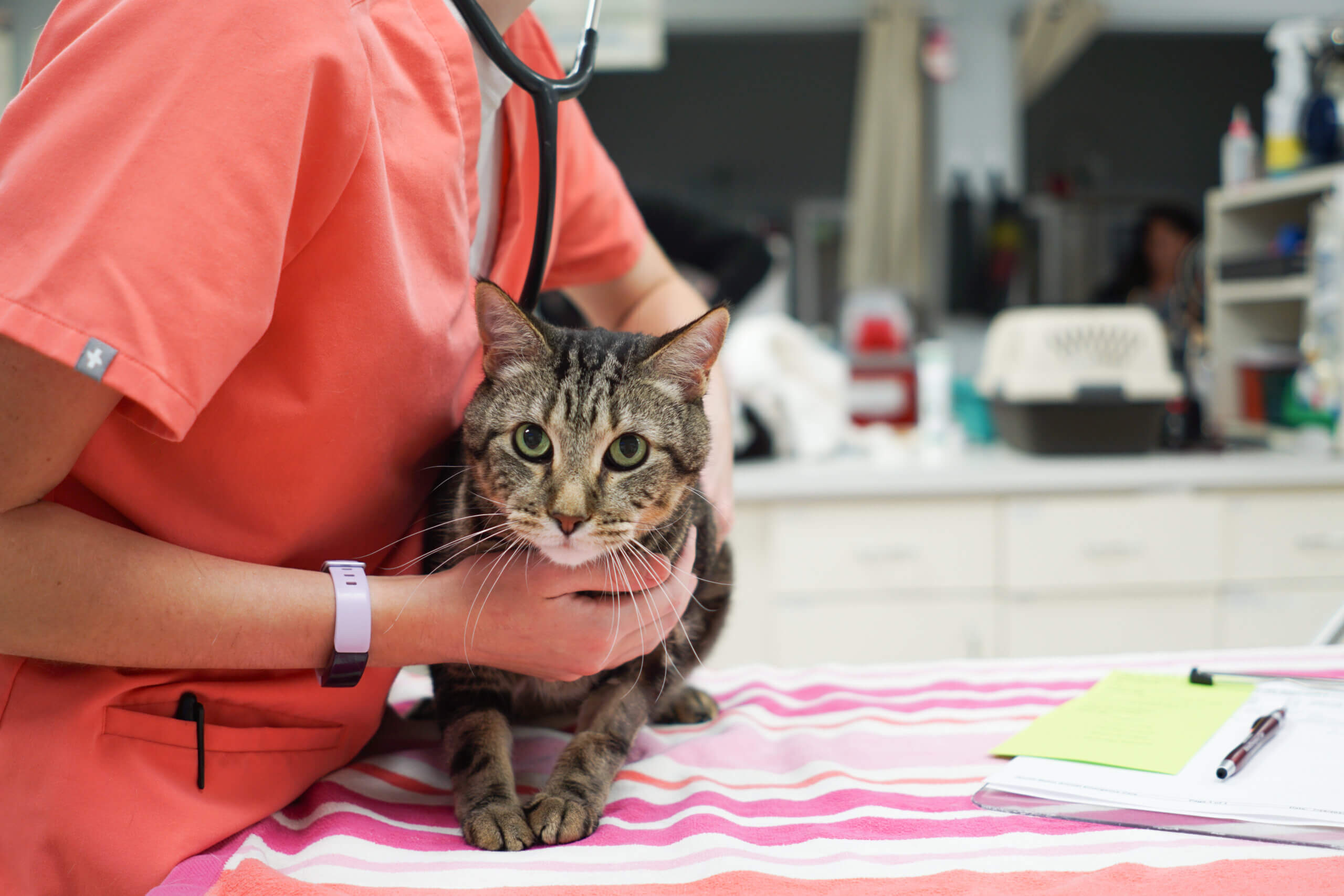
Adopting a pet is a big decision! By welcoming a cat or dog into your home, you’re committing to many years of happiness, but also expenses. You’ve probably already anticipated the costs of food, care, and supplies, but healthcare expenses can sometimes be difficult to predict. So, whether you have a dog or a cat, read our article to learn about the veterinary costs you’ll incur. Also, discover our tips for saving money on your vet bills .
Cat vs. dog health budget-complete comparison of annual veterinary costs in 2025
Cat or dog, which is more expensive to care for? Vaccinations, vet visits, surgeries… Discover the complete comparison of annual veterinary costs for a dog and a cat to anticipate your expenses. Taking out pet insurance on the Bulle Bleue website is a reliable way to plan and manage unexpected costs.
The average healthcare budget for a cat
A cat is generally more robust than a dog and requires fewer veterinary visits. After your cat’s first year, you will need at least one veterinary check-up and booster vaccinations.
- The first year’s expenses for a kitten: expect to spend between €200 and €340 for your kitten’s first year. These costs include mandatory microchipping, vaccinations from 2 months old, parasite treatments, and sterilization.
- The budget for the following years: the average health costs for a cat are estimated at €110 per year (between €80 and €140).
The average healthcare budget for a dog
Dogs, and especially puppies, require more medical attention due to their rapid growth and sometimes their breed.
- The first year’s expenses for a puppy: expect to spend between €400 and €800 for your puppy’s first year. These costs include microchipping and initial vaccinations, sterilization, and regular veterinary checkups to monitor its growth.
- The budget for the following years, the average health costs for a dog are estimated at €400 per year . This annual budget depends on your dog’s breed, with large dogs or those with genetic predispositions requiring more healthcare.
1 – Basic veterinary consultation fees
A basic veterinary consultation typically costs between €30 and €40 .His type of appointment should be scheduled at least once a year for vaccinations or in case of unusual symptoms. In emergencies, prices increase significantly, especially at night, on weekends, or on public holidays . I such cases, the consultation will cost between €50 and €100. These costs can quickly escalate if the animal requires observation or immediate treatment.
2 – Medical examinations and their costs
In case of suspected illness or for a simple check-up, various tests may be prescribed: a blood test, a urine analysis, an imaging test such as an ultrasound… These costs are added to the cost of the consultation and can quickly increase the bill, especially in the case of chronic or complex pathology.
- Blood test: €80
- Urine analysis: €25
- Ultrasound scan: €75
3 – The budget for feline surgical procedures
Surgical costs vary depending on the type of procedure and the animal’s species. In dogs, these procedures are more expensive.
- Cat neutering: €60 to €80
- Sterilization of a female cat: €80 to €120
- Dog castration: €100 to €150
- Female dog spaying: between €200 and €250
In the event of serious illnesses or accidents, certain interventions such as tumor removal or cruciate ligament surgery with rehabilitation should be anticipated.
- Tumor removal: €500 to €700
- Radiotherapy sessions: from €1,200 to €1,500
- Cruciate ligament surgery and rehabilitation: €800 to €1500
4 – Hospitalization costs for cats and dogs
Veterinary hospitalization represents a high cost, in addition to treatments, IV fluids (€35 per day), examinations…
- Cat hospitalization: €20 to €50 per day
- Dog hospitalization: €50 per day
5 – Dental care and hygiene
Often neglected, oral hygiene is nevertheless essential to an animal’s well-being. A professional dental cleaning is recommended every 1 to 3 years, depending on the breed and age. Regular dental care helps prevent infections, costly extractions, and even systemic complications.
- Descaling: €120 to €170
4 solutions to reduce veterinary costs for cats and dogs
Health prevention
By respecting the vaccination schedule and regularly administering deworming and antiparasitic treatments to your furry friend, you limit the risks of developing costly diseases and avoid veterinary emergencies.
Options when you can’t afford the vet
Consult a veterinarian at a clinic run by the Society for the Prevention of Cruelty to Animals (SPA).
This aid is available subject to insufficient resources, generally intended for students, the homeless, and recipients of minimum social assistance.
Contact the Animal Assistance Foundation
This foundation, located in major cities, treats over 30,000 sick animals each year to help cat and dog owners with limited incomes. The Animal Assistance Foundation charges operating fees.
Get help from the Veterinarians for All association
This association is made up of a network of veterinarians working together to help pet owners in precarious situations. Veterinary fees are covered jointly by the association “Vétérinaire pour tous” (Veterinarians for All) and by the individual veterinarians, in a spirit of solidarity.
Other associations, such as the Brigitte Bardot Foundation, help individuals in need through donations.
The advantages of pet health insurance
Taking out pet insurance allows you to be reimbursed for part of your veterinary expenses, including emergency care, surgery, or chronic treatments.