Canine behavior
From birth, puppies develop behaviors that will shape their personality and interactions throughout their lives. During the first few months, they are particularly receptive to learning. One of the best ways to help your puppy grow into a confident and well-behaved adult dog is to enroll them in puppy kindergarten. But is it really necessary? The answer is a resounding “yes!”
Why take a puppy kindergarten class?
Between 4 and 16 weeks, puppies go through a crucial period called the socialization phase. It is during this time that they become familiar with their environment and are exposed to a multitude of positive experiences. Humans, sounds, smells, plants, other animals, indoors, outdoors—everything is there to be discovered! The socialization phase is both exciting and essential because it is during this period that puppies develop self-confidence and learn good behaviors, or conversely, develop undesirable behaviors and fears that will be difficult to eliminate later. It is during this socialization phase that puppy classes are essential.
By enrolling your puppy in a structured class, you’ll help prevent behavioral problems before they arise. Puppy kindergarten provides a controlled environment where your dog can safely socialize with other puppies and learn appropriate behaviors under the guidance of a professional trainer.
What does a typical course cover?
The content of a puppy kindergarten class can vary from place to place, but generally includes the following
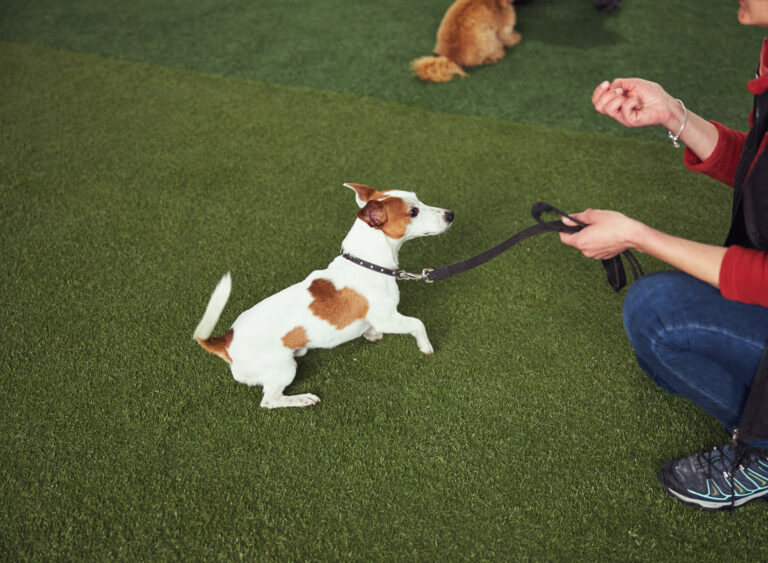
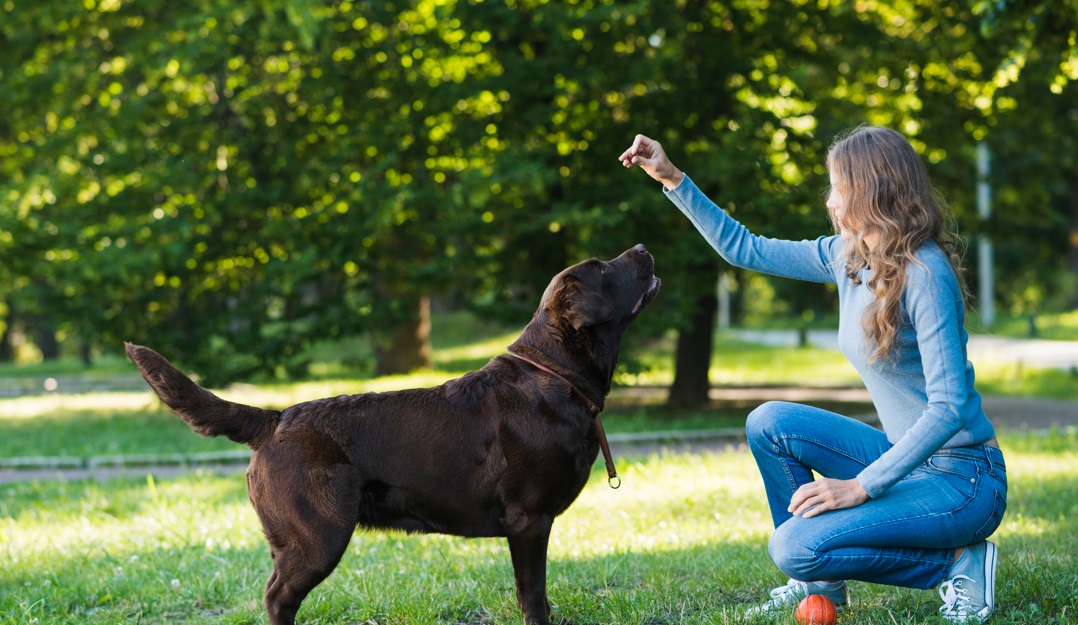
- Positive reinforcement training: Praise and reward your puppy to encourage good behavior, which reinforces the learning experience.
- House training: Guiding your dog in house training and making him understand where he should relieve himself.
- Understanding canine body language: Teaching owners how dogs communicate with each other, which helps improve interactions and avoid conflicts.
- Canine psychology: Understanding puppy psychology to prevent or resolve common behavioral problems such as anxiety or fear.
- Socialization with humans and other animals: Teaching your puppy to be comfortable around people, dogs, and new experiences, to help it grow into a well-balanced adult dog.
- Preventing undesirable behaviors: Addressing common problems such as biting, jumping, or excessive barking in a controlled and effective manner.
- Introduction to basic obedience: Teaching essential commands such as sit, stay, come, and lie down, thus establishing the foundations of good manners for having a well-behaved adult dog.
To ensure a personalized approach, most puppy kindergarten classes limit the number of participants to 6-8 puppies. This allows the trainer to focus on each dog’s specific needs and progress.
Puppy kindergarten is one of the best investments you can make for your dog’s future. By starting your puppy’s training at a young age, you help them grow into a happy, well-balanced, and confident adult dog. The skills they learn in these early classes form the foundation for positive behavior that will last a lifetime.
Don’t wait for behavioral problems to arise – start on the right foot and make sure your puppy gets the best possible start. After all, a well-socialized and well-trained puppy will become a wonderful companion for years to come!