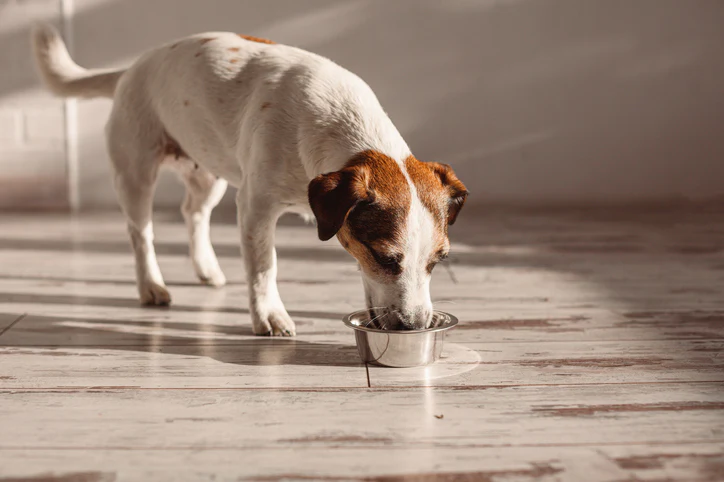
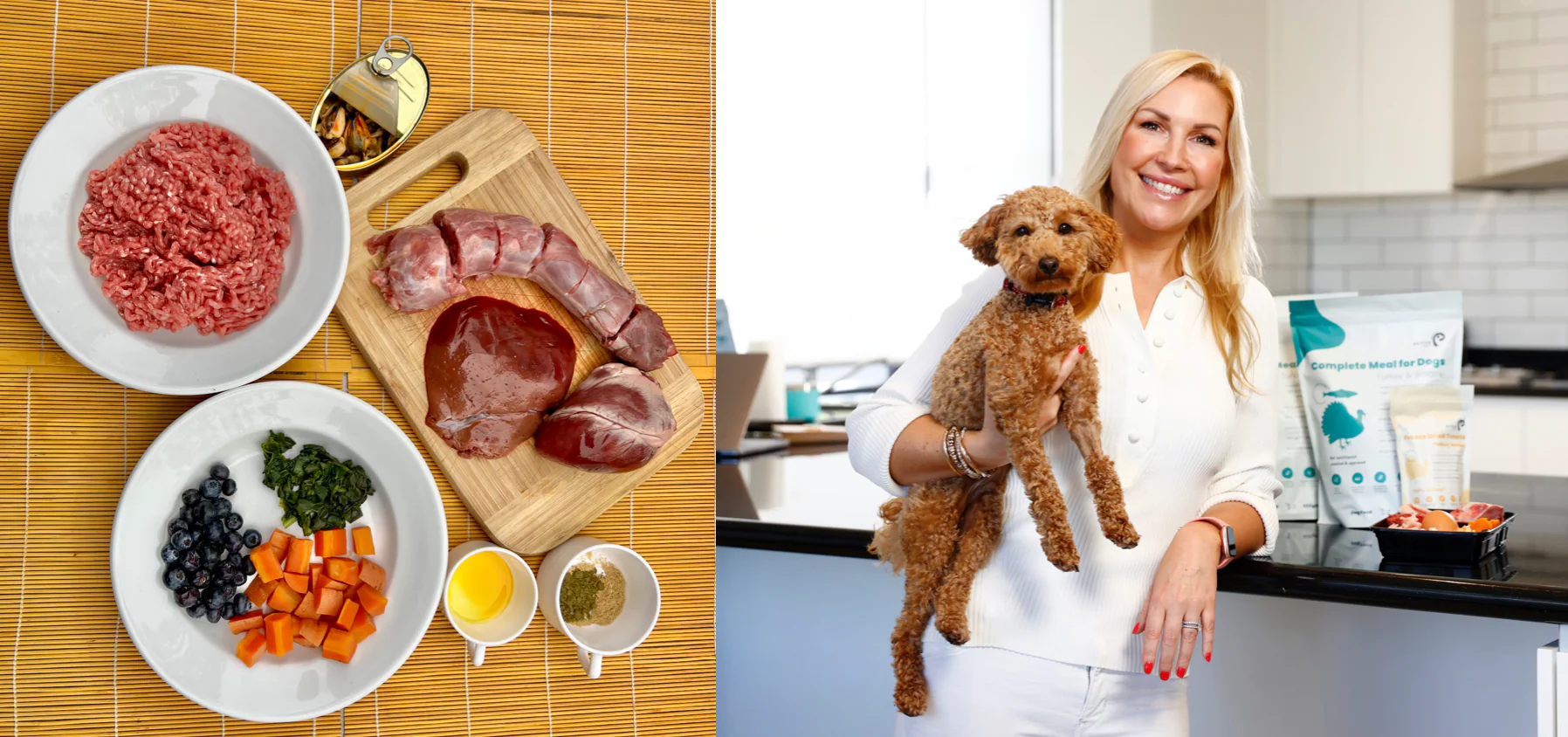
Homemade Recipes: Healthy and Delicious Meals for Your Pets” is an essential guide for all pet owners concerned about the health and well-being of their four-legged companions. This book offers a variety of balanced and tasty recipes, specially designed to meet the specific nutritional needs of dogs and cats. Using fresh, natural ingredients, these recipes allow you to prepare homemade meals that will not only delight your pets’ taste buds but also contribute to their vitality and longevity. Whether you want to diversify your pet’s diet or avoid the additives found in commercial pet food, this book offers practical and delicious solutions for caring for your loyal friends.
Homemade Recipes for Dogs-Balanced and Tasty Meals
When it comes to our four-legged friends, we all want the best for them, and that includes what they eat. More and more dog owners are turning to homemade recipes to ensure their companions receive balanced and tasty meals. But how can we ensure these homemade meals meet our dogs’ nutritional needs while also being delicious? Let’s explore some ideas and tips for preparing dishes that will make your dog’s tail wag at every meal.
First, it’s essential to understand your dog’s nutritional needs. Dogs require a balanced diet that includes protein, carbohydrates, fats, vitamins, and minerals. Protein is especially important because it helps maintain muscle mass and supports the immune system. Lean meats like chicken, turkey, or beef are excellent sources of protein. For carbohydrates, consider vegetables like carrots, green beans, or sweet potatoes, which are not only nutritious but also tasty for our canine companions.
Speaking of vegetables, did you know that some can be beneficial to your dog’s health? For example, carrots are rich in beta-carotene, which is good for eyesight, while spinach contains iron and antioxidants. However, it’s crucial to remember that not all vegetables are safe for dogs. Onions and garlic, for instance, can be toxic. So, it’s important to do your research before adding any new ingredients to your dog’s food bowl.
Once you have a good idea of the ingredients to include, it’s time to start preparing. A simple and balanced meal could be cooked chicken with brown rice and steamed vegetables. Make sure to cook the meat thoroughly to avoid any risk of bacteria, and avoid adding seasonings like salt or pepper, which are unnecessary for dogs and can even be harmful in large quantities. To add variety, you can also try other protein sources such as fish, which is rich in omega-3 fatty acids that are beneficial for skin and coat health.
In addition to preparing balanced meals, it’s also important to monitor portion sizes. Dogs, just like humans, can gain weight if they consume too many calories. Consult your veterinarian to determine the appropriate amount of food for your dog based on their size, age, and activity level. This will help you avoid obesity-related health problems, such as heart disease or diabetes.
Finally, remember that every dog is unique. What works for one dog may not work for another. Pay close attention to your dog’s reactions to new foods and adjust recipes accordingly. By carefully observing your companion, you can create meals that not only meet their nutritional needs but also keep them happy and healthy. Ultimately, preparing homemade meals for your dog is a wonderful way to strengthen your bond while ensuring their well-being.
Homemade Cat Food-Healthy and Delicious Dishes
Preparing homemade meals for our feline friends may seem like a daunting task, but with a little curiosity and creativity, it can become a rewarding and fun activity. Cats, these mysterious and independent creatures, deserve meals that not only satisfy their taste buds but are also beneficial to their health. By exploring homemade cat food options, we discover a world of possibilities that combine flavor and nutritional benefits.
To begin, it’s essential to understand the specific nutritional needs of cats. Unlike dogs, cats are obligate carnivores, meaning their diet must be rich in animal protein. Chicken, beef, and fish are excellent sources of protein that can be incorporated into their meals. Adding ingredients like chicken or beef liver can also provide essential vitamins such as vitamin A and iron. However, it’s crucial to ensure these meats are thoroughly cooked to avoid any risk of bacterial contamination.
In addition to protein, cats need certain amino acids, such as taurine, which is vital for their heart and eye health. Fortunately, taurine is found naturally in meat, making it easy to incorporate into homemade meals. For those looking to diversify their cat’s diet, fish, especially salmon and tuna, can be an excellent option. Not only are these fish rich in protein, but they also contain omega-3 fatty acids, which are beneficial for your cat’s coat and skin.
When transitioning to homemade meals, it’s important not to forget vegetables. While cats don’t require vegetables in their diet, small amounts can provide extra fiber and vitamins. Cooked carrots, zucchini, and peas are safe choices and can be mixed with meat for a balanced meal. However, it’s crucial to remember that some foods, such as onions and garlic, are toxic to cats and should be avoided at all costs.
Another important consideration is hydration. Cats tend to drink little water, especially if they primarily eat dry food. When preparing homemade meals, you can easily incorporate unsalted meat broths to ensure your cat stays well-hydrated. This can also make the meal more appealing, especially for fussy eaters.
Finally, it is crucial to consult a veterinarian before changing your cat’s diet. Every cat is unique, and its nutritional needs can vary depending on its age, weight, and overall health. A veterinarian can help you develop a suitable feeding plan and advise you on any necessary supplements to ensure your cat receives all the nutrients it needs.
In conclusion, preparing homemade meals for your cat can be a rewarding experience that strengthens the bond between you and your feline friend. With a little research and preparation, you can offer your cat healthy and delicious meals that will contribute to their well-being and happiness. So why not try whipping up a homemade meal for your cat today? You might be surprised at how much they enjoy it.
Homemade Meals for Small Animals: Nutritious and Appetizing Options
When it comes to caring for our furry friends, we all want the best for them. This includes not only their overall well-being but also their diet. More and more pet owners are turning to homemade meals to ensure their furry companions receive a healthy and balanced diet. But how can you ensure these meals are both nutritious and appetizing? Let’s explore some options that will delight your pets while meeting their nutritional needs.
First, it’s essential to understand your pet’s specific dietary needs. Small animals, such as rabbits, guinea pigs, and hamsters, have very different diets from dogs and cats. For example, rabbits need a high amount of fiber to maintain good digestive health. This means that good-quality hay should make up the majority of their diet. However, this doesn’t mean you can’t offer them homemade treats. A simple rabbit biscuit recipe might include ingredients like rolled oats, carrot puree, and a little shredded hay. These biscuits are not only tasty but also provide essential nutrients.
Speaking of guinea pigs, these little rodents need vitamin C in their daily diet because they can’t synthesize it themselves. A homemade salad made with red bell peppers, kale leaves, and small pieces of kiwi can be a great option. Not only is this salad rich in vitamin C, but it’s also colorful and appealing to your guinea pig. By incorporating fresh vegetables and fruits into their diet, you can ensure they get the vitamins and minerals they need for good health.
For hamsters, which are omnivores, it’s possible to prepare homemade mixes that include seeds, nuts, and dried fruit. However, it’s crucial to ensure these ingredients are given in appropriate quantities to avoid any health problems. A balanced mix could include sunflower seeds, rolled oats, pieces of dried apple, and a few almonds. This type of mix offers a variety of textures and flavors that will stimulate your hamster’s appetite while providing a balanced diet.
When transitioning to homemade meals, it’s important to consult a veterinarian or animal nutritionist to ensure you’re meeting your pet’s specific needs. Each species has unique dietary requirements, and respecting these is crucial for their health and well-being. Furthermore, introducing new foods gradually can help prevent digestive upsets.
Ultimately, preparing homemade meals for your small pets can be a rewarding experience. Not only do you have the satisfaction of knowing exactly what your pet is eating, but you can also tailor the meals to their individual preferences and needs. With a little research and creativity, you can create dishes that are both healthy and delicious, ensuring your little companions remain happy and healthy. “Homemade Recipes: Healthy and Delicious Meals for Your Pets” is an invaluable guide for pet owners who want to provide their companions with a balanced and tasty diet. The book offers a variety of recipes adapted to the specific nutritional needs of animals, while using fresh, natural ingredients. By emphasizing health and well-being, these recipes allow you to control the quality of meals and avoid the artificial additives often found in commercial pet food. In conclusion, this book is an essential resource for those looking to improve their pets’ quality of life through healthy and delicious homemade food.