
Groom your cat regularly
Whether your cat has short or long fur, regular brushing is beneficial not only for you and your home, but also for its health. It removes dead hair from its coat, preventing it from ingesting it while grooming itself. Grooming also allows you to notice any changes in its skin and detect parasites (ticks, fleas, etc.) and signs of illness. Brushing is much easier if you train your pet to accept this activity from a young age. Many products are available for grooming your cat. One example is the licker brush, which detangles knots, removes dead and undercoat hair, leaving a shiny and pleasant coat.
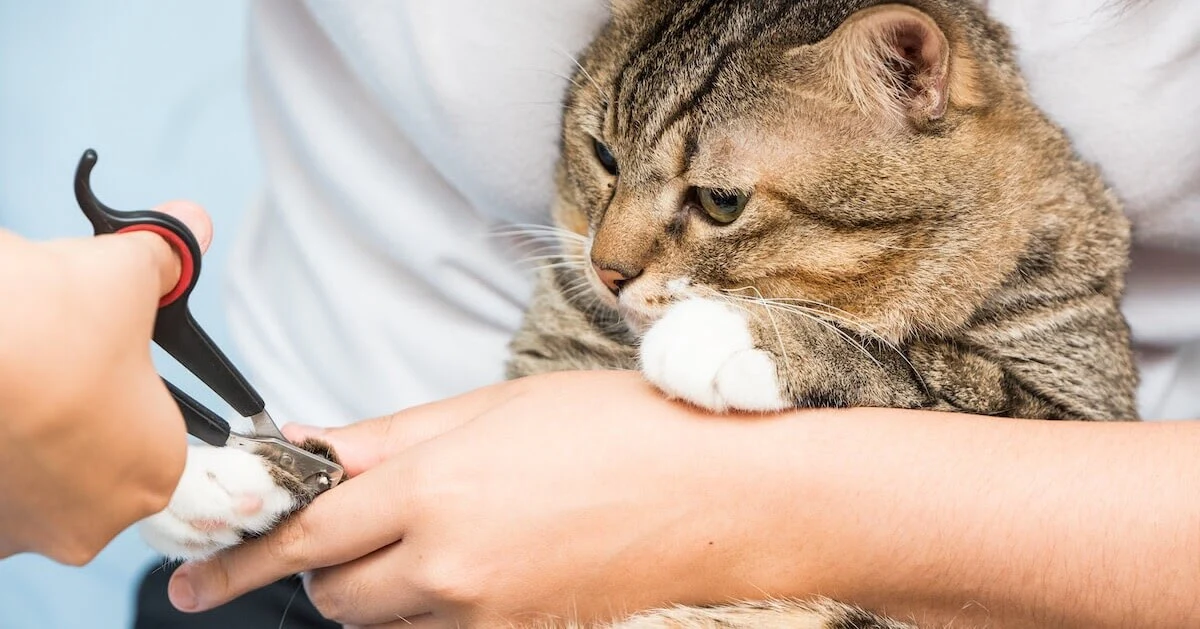
It’s also important to regularly check your kitten’s claws . You should trim them regularly with nail clippers to prevent them from growing into their paws. If you start this routine as soon as your kitten arrives, you’ll find it becomes easier as your cat gets older. Ask your veterinarian to show you how to trim their claws.
Give him fresh water every day
Cle. an, fresh water is essential for your cat’s health. If your cat doesn’t seem to drink from a bowl, consider providing a large glass (some cats don’t like to bend down to drink) or a cat fountain. Make sure to provide fresh water every day and change it when it’s no longer clean . Also, ensure your cat has enough dry food. A good diet helps keep your pet healthy.
Make sure you have enough cat litter
As a general rule, you need as many litter boxes as there are cats in the house, plus one . S, if you have two cats, you should have three litter boxes. To encourage good litter-training habits, keep the litter boxes clean. Regular cleaning will also help you notice any changes in your pet’s urine or stool, which could indicate a health problem.
Notice if your cat starts urinating outside of its litter box.
Sometimes a kitten will urinate outside its litter box if it’s dirty. Before blaming the litter box or your cat’s bad behavior, schedule a visit to the veterinarian . A change in litter box habits can sometimes indicate a urinary tract infection or another medical problem.
Teach your cat to use a scratching post
If yo u don’t often have time to trim your cat’s claws, consider getting a cat scratching post. Your cat will feel compelled to dig its claws into something, preventing it from damaging your furniture. This will not only prevent damage to your furniture but also help your cat stretch its muscles and keep its claws in good condition. Regularly scratching a suitable surface, such as a rug, sisal, or cardboard, helps remove the old layers of your cat’s claws.
Use a cat carrier in the car
Does your cat need to go to the vet? Are you moving to a new house? Transport your cat in a pet carrier. Letting your cat roam freely in the car can distract you from driving safely, which can lead to accidents that could injure both you and your cat.
Keep your cat’s teeth clean
Like humans, cats can develop tartar on their teeth, which can lead to gum disease and cavities. However, unlike humans, cats cannot brush their teeth. To keep your cat’s teeth in good condition, schedule a cleaning with your veterinarian at least once a year. Many cats resist having their teeth brushed; if this is the case for you, we recommend finding alternative solutions,s uch as chewable cat toothpaste.
Choose a vet who likes cats
It seems obvious that cats are not simply smaller versions of dogs. That said, it follows that cats have different veterinary needs than dogs. A veterinarian specializing in health and anatomy can be a valuable ally in keeping your cat in the best possible health.
Schedule regular veterinary visits
Like any member of the family, a cat needs regular veterinary checkups. Unlike humans, cats can’t tell us when they’re unwell. They rely on us to take them to the vet. It’s important for a cat to see a vet at least once a year for a checkup of their teeth, ears, eyes, heart, booster vaccinations, and deworming treatments.
Have your cat neutered
Reproductive diseases can affect cats of both sexes, males and females. Spaying prevents uterine infections and ovarian cancer, while neutering prevents testicular cancer and certain prostate problems in males. The operations also reduce the urge to roam in males.